Siberian Husky
The athletic Arctic runner with striking eyes and boundless energy
Origin & History
Siberian Huskies originated in northeastern Siberia, where they were developed by the Chukchi people as endurance sled dogs to transport light loads over vast frozen landscapes. The Chukchi bred them for strength, speed, endurance, and ability to survive in extreme cold. The breed was brought to Alaska in 1908 for sled dog racing and gained fame during the 1925 serum run to Nome, where sled dog teams relayed diphtheria antitoxin 674 miles through blizzard conditions. Balto, the lead dog of the final team, became a national hero. The AKC recognized the breed in 1930, and Siberian Huskies have since become popular both as working dogs and family companions. Their endurance and friendly nature have made them successful in various dog sports and as therapy dogs.
Physical Characteristics
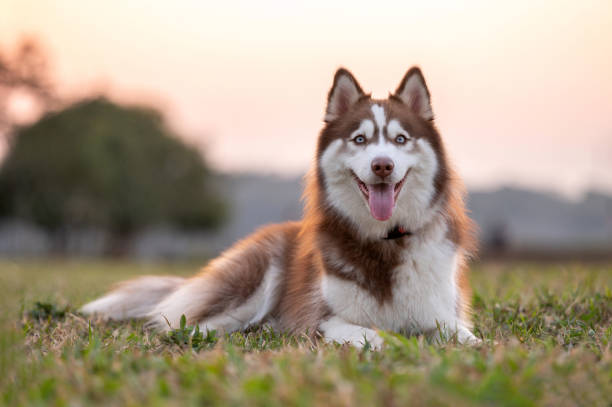
Siberian Huskies are medium-sized dogs with athletic, compact builds designed for endurance. Males typically weigh 20-27 kg and stand 53-60 cm tall, while females weigh 16-23 kg and stand 51-56 cm tall. They have a thick double coat that comes in various colors and patterns including black, white, gray, red, and agouti, often with striking facial masks. Their most distinctive features include erect, triangular ears and almond-shaped eyes that can be brown, blue, or one of each (complete heterochromia). They have a fox-brush tail that curls over their back when alert. Built for efficiency rather than power, they move with smooth, seemingly effortless gait that reflects their endurance heritage.
Health & Lifespan
Siberian Huskies typically live 12-14 years and are generally a healthy, robust breed. They are prone to certain conditions including hip dysplasia, eye problems (particularly juvenile cataracts, progressive retinal atrophy, and corneal dystrophy), and zinc-responsive dermatosis. Some lines may be prone to thyroid issues and certain heart conditions. Their thick coat makes them susceptible to heat stroke in warm climates. Responsible breeders screen for hereditary conditions through organizations like the Orthopedic Foundation for Animals and the Canine Eye Registration Foundation. Regular veterinary care and maintaining a healthy weight are essential. Their high energy levels mean they generally maintain good physical condition when properly exercised.
Temperament
Siberian Huskies are known for their friendly, outgoing, and energetic nature. They are typically good-natured with people and other dogs, reflecting their pack heritage. Their intelligence and independence can make them challenging to train, as they often think for themselves rather than blindly obey commands. Huskies have strong prey drives and may chase small animals. They are notorious escape artists who can climb, jump, or dig their way out of confinement. Their working heritage means they need substantial physical and mental stimulation. While not typically aggressive, they are vocal dogs known for their "talking" - howls, whines, and unique vocalizations rather than excessive barking.
Care Requirements
Siberian Huskies require substantial daily exercise - at least 1-2 hours of vigorous activity including running, hiking, or dog sports like mushing or skijoring. Their intelligence demands mental stimulation through training, puzzle toys, and interactive games. Their thick double coat sheds heavily twice yearly ("blowing coat") and requires weekly brushing, with daily brushing during shedding seasons. They are natural diggers and need secure fencing or supervised outdoor time. Dental care is important, and regular nail trimming completes their maintenance. Their love of running means they should only be off-leash in securely fenced areas. They thrive in cool climates and need protection from heat in warm weather.
Living Conditions
Siberian Huskies do best in homes with access to a securely fenced yard where they can run and play safely. They are not recommended for apartment living unless their substantial exercise needs can be met. Their high energy and need for space make them better suited for active families with yards. They are indoor dogs that want to be with their families but should not be left unsupervised in the house when young. Early socialization is crucial to ensure they're comfortable in various situations. Their thick coat makes them suited for cooler climates, and they need air conditioning and plenty of water in warm weather. They generally do well with other dogs but may chase small pets.
Important Health Note
Siberian Huskies are extremely energetic and require substantial daily exercise and mental stimulation. Without proper outlets, they can develop destructive behaviors including chewing, digging, and escaping. They are notorious escape artists who can jump high fences, climb, or dig under barriers - secure, tall fencing is essential. Their strong prey drive means they will chase small animals and should never be trusted off-leash in unsecured areas. Their thick coat makes them highly susceptible to heat stroke - they must have air conditioning and plenty of water in warm weather. Regular grooming is essential, especially during heavy shedding seasons when they "blow" their coat.
Ideal Owners
Siberian Huskies are best suited for active, experienced dog owners who understand working breeds and can provide substantial exercise. They thrive with owners who enjoy outdoor activities like running, hiking, or dog sports. Families with secure yards and active lifestyles are ideal. They're not recommended for first-time dog owners, sedentary individuals, or those unable to handle their energy and independence. Their friendly nature makes them good with families, but their energy requires supervision with young children. They do best in cooler climates and need committed owners who can provide both physical and mental challenges throughout their lives.
Training & Socialization
Siberian Huskies are intelligent but independent, making training challenging but rewarding. They respond best to positive reinforcement methods and consistent, patient training. Early and extensive socialization is crucial to ensure they're comfortable with various people, animals, and situations. Their high intelligence means they need mental challenges to prevent boredom. Leash training is essential given their strong pulling instinct. Recall training is particularly challenging due to their independent nature and prey drive. They excel in dog sports like agility, mushing, and skijoring when properly motivated. Consistency is key in training, as they will test boundaries throughout their lives.