Rottweiler
The confident guardian with unwavering loyalty and noble strength
Origin & History
Rottweilers originated in the German town of Rottweil, where they were developed from ancient Roman drover dogs that accompanied Roman armies across Europe. These mastiff-type dogs were used to herd livestock and pull carts filled with meat to market, earning them the nickname "Rottweil butcher's dogs." The breed nearly became extinct in the late 19th century with the advent of railroads, but was revived by dedicated breeders who recognized their value as police and military dogs. The first Rottweiler club was founded in Germany in 1907, and the breed was recognized by the AKC in 1931. Today, they remain one of the most popular and respected working breeds worldwide, valued for their intelligence, strength, and protective nature.
Physical Characteristics
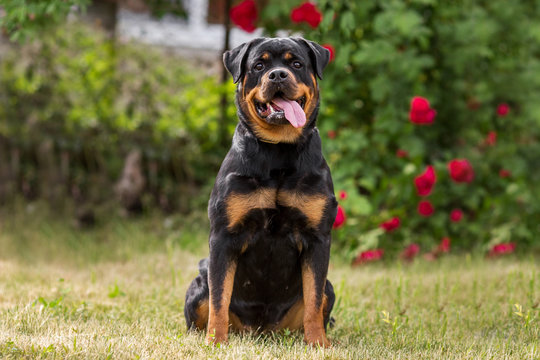
Rottweilers are large, powerful dogs with a robust, compact build. Males typically weigh 50-60 kg and stand 61-69 cm tall at the shoulder, while females weigh 35-48 kg and stand 56-63 cm tall. They have a broad head with a well-developed stop and medium-sized, almond-shaped eyes that convey intelligence and alertness. Their short, dense, black coat features clearly defined rust-to-mahogany markings on the cheeks, muzzle, chest, legs, and above the eyes. Rottweilers have substantial bone structure and well-developed muscles, giving them impressive strength. They move with a balanced, powerful gait that reflects their working heritage and endurance.
Health & Lifespan
Rottweilers typically live 8-10 years. They are prone to several serious health conditions including hip and elbow dysplasia, cardiac issues (particularly subaortic stenosis), and various cancers (especially bone cancer). Other concerns include eye problems, thyroid issues, and a neurological condition called Rottweiler leukoencephalomyelopathy. Their deep chest makes them susceptible to bloat (gastric dilatation-volvulus). Responsible breeders screen for these conditions through organizations like the Orthopedic Foundation for Animals. Regular veterinary care, proper nutrition, and maintaining a healthy weight are essential for their wellbeing. Their working heritage means they generally maintain good physical condition when properly exercised.
Temperament
Rottweilers are known for their calm, confident, and courageous nature. They are typically reserved with strangers but devoted and affectionate with their families. Their intelligence and strong work ethic make them highly trainable and excellent working dogs. Rottweilers have natural protective instincts and make outstanding guard dogs, but they are rarely aggressive without cause. They are generally good with children in their own family when properly socialized and supervised. Their working heritage means they need both physical and mental stimulation to stay content. Well-bred Rottweilers are stable, predictable dogs that respond well to consistent, confident leadership from their owners.
Care Requirements
Rottweilers require substantial daily exercise - at least 1-2 hours of vigorous activity including walks, runs, and training sessions. Their intelligence demands mental stimulation through obedience work, puzzle toys, and interactive games. Their short coat is low-maintenance, needing only weekly brushing and occasional bathing. Due to their susceptibility to bloat, they should be fed 2-3 small meals daily rather than one large meal. Regular dental care is important, and their nails should be trimmed regularly. Their working heritage means they thrive when given jobs to do, whether formal work or family activities like hiking or obedience training. Early and ongoing socialization is crucial for this powerful breed.
Living Conditions
Rottweilers do best in homes with ample indoor space and access to a securely fenced yard. They are indoor dogs that want to be with their families and should not be left outdoors or alone for extended periods. Their size and energy level make them better suited for homes rather than apartments. They thrive when included in family activities and form strong bonds with all family members. Early socialization is essential to ensure they're comfortable in various situations and with different people. Their protective nature makes them excellent watchdogs, but proper training and socialization are crucial to prevent over-protectiveness. They need comfortable, large bedding and space to move comfortably.
Important Health Note
Rottweilers are prone to several serious health conditions that require vigilant care. They are extremely susceptible to bloat (GDV) - feed multiple small meals daily, use elevated bowls, and avoid exercise before and after eating. Their rapid growth requires careful nutrition management with large breed puppy food to prevent bone and joint development issues. Rottweilers have a higher than average incidence of certain cancers, so regular veterinary check-ups are essential. Their powerful build means they need regular, controlled exercise to maintain muscle tone without stressing developing joints. Only purchase from breeders who perform all recommended health screenings including cardiac, hip, and elbow evaluations.
Ideal Owners
Rottweilers are best suited for experienced dog owners who understand powerful working breeds and can provide firm, consistent leadership. They thrive with confident, active owners who can provide substantial exercise and mental stimulation. Families who enjoy outdoor activities and can include their dog in daily life are ideal. They're not recommended for first-time dog owners or those unable to handle their strength and size. Their protective nature requires owners who can provide proper socialization and training. They do best with owners who appreciate their intelligence and working heritage and are committed to ongoing training throughout their lives. Their loyalty makes them wonderful companions for dedicated owners.
Training & Socialization
Rottweilers are highly intelligent and generally eager to please, but their strength and protective instincts make early and consistent training essential. They respond excellently to positive reinforcement methods and consistent leadership. Early and extensive socialization is crucial to ensure they're comfortable with various people, animals, and situations. Their intelligence means they excel in obedience, protection sports, tracking, and other working roles. Leash training is particularly important given their strength. Training should be ongoing throughout their lives to keep them mentally stimulated and well-behaved. Their sensitivity requires gentle but firm handling, as harsh methods can damage their trust and create behavioral issues.