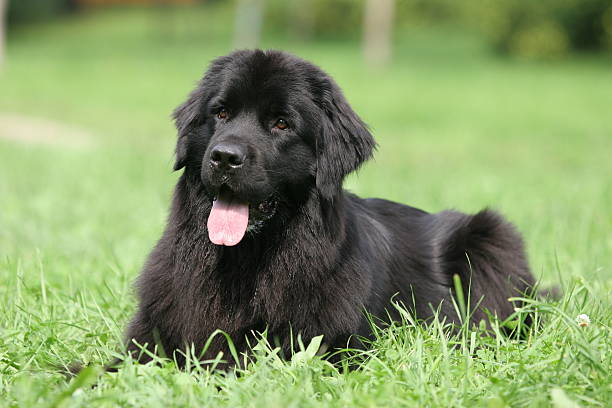
Newfoundland
The gentle giant water rescue dog with a heart of gold
Origin & History
Newfoundlands originated in the Canadian province of Newfoundland, where they were developed from working dogs brought by European fishermen in the 15th and 16th centuries. They were bred to help fishermen with their work - pulling nets, hauling wood, and rescuing people from the icy North Atlantic waters. Their webbed feet, water-resistant coat, and powerful swimming ability made them ideal for water work. The breed gained popularity in England in the 19th century, where they were favored by nobility including Lord Byron, who famously wrote a epitaph for his Newfoundland, Boatswain. The AKC recognized the breed in 1886, and they continue to be celebrated for their working abilities and gentle nature.
Physical Characteristics
Newfoundlands are massive, powerful dogs with a heavy bone structure and substantial muscle. Males typically weigh 60-70 kg and stand 69-74 cm tall at the shoulder, while females weigh 45-55 kg and stand 63-69 cm tall. They have a broad head with a slightly arched crown and small, deep-set eyes that convey intelligence and kindness. Their double coat is flat, water-resistant, and comes in black, brown, gray, or Landseer (white with black markings). They have webbed feet that make them powerful swimmers, and their large, strong tail acts as a rudder in water. Despite their size, they move with a smooth, rolling gait that conveys power and grace.
Health & Lifespan
Newfoundlands typically live 8-10 years, which is average for giant breeds. They are prone to several health issues including hip and elbow dysplasia, subvalvular aortic stenosis (a heart condition), cystinuria (a kidney disorder), and gastric dilatation-volvulus (bloat). Their large size puts them at risk for joint problems, and their thick coat makes them susceptible to heat stroke in warm weather. Responsible breeders screen for these conditions through organizations like the Orthopedic Foundation for Animals and the Canine Health Information Center. Regular veterinary care, proper nutrition, and maintaining a healthy weight are essential for their wellbeing. Their love of water means they need protection from waterborne parasites and bacteria.
Temperament
Newfoundlands are known for their sweet, gentle, and patient nature. They are often called "gentle giants" and have a legendary reputation for being wonderful with children, earning them the nickname "nanny dogs." Their intelligence and trainability make them excellent working dogs, particularly in water rescue. They are natural guardians with strong protective instincts but are rarely aggressive without cause. Newfoundlands are generally calm and dignified but retain a playful side throughout their lives. Their strong swimming instinct means they are drawn to water and have a natural ability to rescue people in distress. They form deep bonds with their families and thrive on human companionship.
Care Requirements
Newfoundlands require regular exercise to stay healthy, but their needs are moderate compared to their size - daily walks and opportunities to swim are ideal. Their thick double coat requires significant grooming - daily brushing is needed to prevent mats, with more frequent brushing during seasonal shedding. Regular ear cleaning is important due to their floppy ears. Due to their susceptibility to bloat, they should be fed 2-3 small meals daily rather than one large meal. Their large size means they need ample space and extra-large, comfortable bedding. Regular nail trimming is crucial due to their weight. They should be protected from heat due to their thick coat.
Living Conditions
Newfoundlands do best in homes with ample indoor space and access to a securely fenced yard. They are indoor dogs that want to be with their families and should not be left outdoors. Their calm nature makes them suitable for various living situations if their space needs are met. They need comfortable, extra-large bedding and space to stretch out. Homes with access to water for swimming are ideal. They are sensitive to heat due to their thick coat and need air conditioning in warm climates. Early socialization is crucial to ensure they're comfortable in various situations. Their size means they're not suitable for small apartments or homes with limited space.
Important Health Note
Newfoundlands are prone to several serious health conditions that require vigilant care. They are extremely susceptible to bloat (GDV) - feed multiple small meals daily, use elevated bowls, and avoid exercise before and after eating. Their thick coat makes them vulnerable to heat stroke - provide air conditioning and plenty of water in warm weather. They are also prone to a serious heart condition called subvalvular aortic stenosis, so regular cardiac screening is recommended. Their rapid growth requires careful nutrition management with large breed puppy food. Always supervise them around water, as their natural rescue instincts can put them at risk in strong currents.
Ideal Owners
Newfoundlands are best suited for families or individuals who have space for a giant breed and understand their special needs. They're wonderful for families with children due to their gentle, protective nature. Owners should be prepared for higher costs associated with giant breeds - more food, larger everything, and potentially higher veterinary bills. They're ideal for people who enjoy outdoor activities near water and can provide regular grooming. Their calm demeanor makes them suitable for various lifestyles, but their size requires commitment to training and socialization. They thrive with owners who appreciate their gentle nature and can provide the space and care they need.
Training & Socialization
Newfoundlands are intelligent and generally eager to please, but their giant size makes early and consistent training essential. They respond excellently to positive reinforcement methods and are sensitive to their owner's tone. Early socialization is crucial to ensure they're comfortable with various people, animals, and situations. Their natural water rescue instincts can be channeled through training in water work and draft work. Leash training is particularly important given their strength. Despite their calm demeanor, Newfoundland puppies can be quite clumsy and rambunctious, so patience during training is key. They excel in obedience, therapy work, and water rescue training when properly motivated.