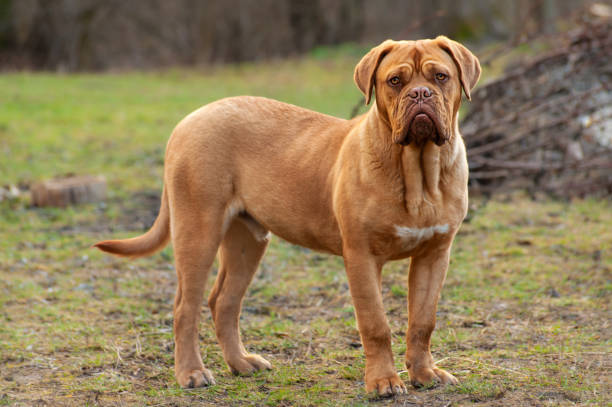
Mastiff
The gentle giant with a noble heart and imposing presence
Origin & History
The Mastiff is one of the oldest dog breeds, with origins dating back to ancient times. They were developed in England from ancient molosser dogs brought by Phoenician traders around 500 BC. The breed was used by Romans as war dogs and gladiator opponents in arenas. In medieval England, Mastiffs served as estate guardians and hunting dogs for large game like bears and wolves. The breed nearly went extinct after World War II but was revived by dedicated breeders. The AKC recognized the breed in 1885, and they have since become respected family companions while retaining their ancient guardian instincts. The name "Mastiff" comes from the Latin word "mansuetus," meaning "tame" or "domesticated."
Physical Characteristics
Mastiffs are massive, powerful dogs with a heavy bone structure and substantial muscle. Males typically weigh 73-100 kg and stand 76-91 cm tall at the shoulder, while females weigh 54-77 kg and stand 70-91 cm tall. They have a large, broad head with a short muzzle and dark, medium-sized eyes that convey a calm, intelligent expression. Their short, dense coat comes in fawn, apricot, or brindle patterns, always with a dark mask on the muzzle and ears. Despite their enormous size, they move with power and dignity. Their impressive physical presence is balanced by their gentle, thoughtful demeanor, creating a unique combination of power and serenity.
Health & Lifespan
Mastiffs typically live 6-10 years, which is relatively short due to their giant size. They are prone to several serious health issues including hip and elbow dysplasia, gastric dilatation-volvulus (bloat), heart conditions, and various cancers. Their rapid growth during puppyhood requires careful nutrition management to prevent bone and joint problems. Other concerns include eye issues like entropion and ectropion, thyroid problems, and skin infections in their facial wrinkles. Responsible breeders screen for these conditions through organizations like the Orthopedic Foundation for Animals. Regular veterinary care and preventative measures for bloat are essential for this breed's wellbeing.
Temperament
Mastiffs are known for their calm, dignified, and affectionate nature. Despite their imposing size, they are typically gentle and patient with their families, including children. They are natural guardians with strong protective instincts but are rarely aggressive without cause. Their intelligence and sensitivity make them attuned to their owners' emotions, and they form deep bonds with their families. Mastiffs are generally quiet dogs that don't bark excessively, but their presence alone is usually enough to deter intruders. They have moderate energy levels and are often described as "couch potatoes" who enjoy relaxing with their families as much as they enjoy gentle outdoor activities.
Care Requirements
Mastiffs require moderate daily exercise - several short walks rather than strenuous activity, especially during their growth period. Their short coat is low-maintenance, needing only weekly brushing and occasional bathing. Due to their susceptibility to bloat, they should be fed 2-3 small meals daily rather than one large meal, and vigorous exercise should be avoided before and after eating. Regular cleaning of facial wrinkles is important to prevent skin infections. Their large size means they need ample space to move comfortably and extra-large, comfortable bedding to prevent pressure sores and joint issues. Regular nail trimming is crucial due to their weight.
Living Conditions
Mastiffs do best in homes with ample indoor space and access to a securely fenced yard. Despite their size, they are indoor dogs that want to be with their families and should not be left outdoors. Their calm nature makes them suitable for various living situations if their space needs are met. They need comfortable, extra-large bedding and space to stretch out. Their size means they're not suitable for small apartments or homes with limited space. They thrive in climate-controlled environments as their short coat provides little protection from extreme temperatures. Early socialization is crucial to ensure they're comfortable in various situations and with different people.
Important Health Note
Mastiffs are extremely prone to bloat (GDV), a life-threatening condition where the stomach twists. Preventative measures include feeding multiple small meals daily, using elevated food bowls, avoiding vigorous exercise before and after eating, and never allowing gulping of water. Know the symptoms: unsuccessful vomiting, distended abdomen, restlessness, and excessive drooling - this is a medical emergency requiring immediate veterinary care. Many owners opt for preventative gastropexy surgery. Their rapid growth also requires careful nutrition management with large breed puppy food to prevent bone and joint development issues. Regular veterinary monitoring for heart conditions is also recommended.
Ideal Owners
Mastiffs are best suited for experienced dog owners who understand giant breeds and can handle their substantial size and strength. They're wonderful for families with children due to their gentle nature, though their size requires supervision with young children. Owners should be prepared for higher costs associated with giant breeds - more food, larger everything, and potentially higher veterinary bills. They're ideal for people who want a low-energy indoor companion but have space for a giant dog. Their relatively short lifespan means owners must be prepared for the heartbreak of losing them sooner than smaller breeds. They require owners who can provide firm, consistent leadership with gentle methods.
Training & Socialization
Mastiffs are intelligent and generally eager to please, but their giant size makes early and consistent training essential. Basic obedience and good manners should be established while they're still manageable sizes. Socialization is crucial to ensure they're comfortable with various people, animals, and situations. Their sensitive nature responds best to positive reinforcement methods - harsh treatment can damage their trust. Leash training is particularly important given their strength. Despite their calm demeanor, Mastiff puppies can be quite clumsy and rambunctious, so patience and consistency during training are key to developing a well-behaved adult. They benefit from ongoing training throughout their lives.