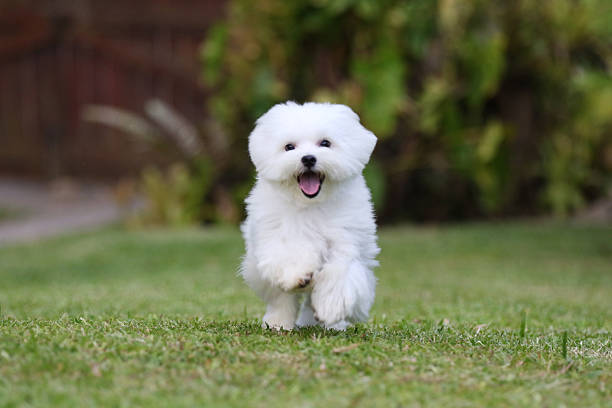
Maltese
The gentle and fearless companion with a stunning white coat
Origin & History
The Maltese is one of the oldest toy breeds, with origins dating back over 2,000 years to the Mediterranean island of Malta. They were favored by ancient Greeks, Romans, and Egyptians, who valued them as cherished companions. Aristotle mentioned them in his writings, and they appear in ancient Greek pottery. During the Renaissance, Maltese became popular among European nobility and were often seen in the laps of royalty. The breed was recognized by the AKC in 1888 and has maintained its popularity as an elegant companion dog. Their name comes from the island of Malta, though they were developed throughout the Mediterranean region as companion dogs for the wealthy.
Physical Characteristics
Maltese are small toy dogs typically weighing 2-4 kg and standing 20-25 cm tall at the shoulder. Their most distinctive feature is their long, straight, silky white coat that hangs close to the ground. They have a compact body with a level top line and a plumed tail that curls over their back. Their dark, round eyes and black nose create a striking contrast against their white coat. Despite their small size, they move with a smooth, flowing gait that conveys grace and elegance. Many owners choose to keep their coats in a shorter "puppy cut" for easier maintenance, though the breed standard calls for the long, flowing coat.
Health & Lifespan
Maltese typically live 12-15 years, with some reaching 18 years or more with proper care. They are generally healthy but prone to certain conditions including dental problems (common in small breeds), luxating patella (slipping kneecaps), white shaker syndrome (tremors), and eye problems like progressive retinal atrophy and tear staining. Their small size makes them fragile, so care must be taken to prevent injuries from falls or rough handling. Responsible breeders screen for hereditary conditions. Regular veterinary care, proper dental hygiene, and maintaining a healthy weight are essential for their long-term wellbeing. Their long coat requires protection from sunburn in hot weather.
Temperament
Maltese are known for their gentle, affectionate, and playful nature. They form strong bonds with their owners and thrive on human companionship. Despite their small size, they are fearless and make excellent watchdogs, alerting their families to anything unusual with their bark. They are intelligent and respond well to training when methods are positive and consistent. Maltese generally get along well with other pets and children, though their small size means they should be supervised with young children. They can be somewhat reserved with strangers initially but warm up quickly. Their playful demeanor and love of attention make them entertaining companions.
Care Requirements
Maltese require significant grooming to maintain their beautiful coat. Daily brushing is necessary to prevent mats and tangles, with regular professional grooming recommended every 4-6 weeks. Their facial hair needs daily cleaning to prevent tear staining. Dental care is crucial - daily brushing and regular veterinary dental cleanings help prevent the dental issues common in small breeds. They need moderate daily exercise, typically short walks and indoor play. Their small size makes them suitable for apartment living. Regular nail trimming, ear cleaning, and protection from extreme temperatures complete their care needs. They should be fed high-quality small breed food to maintain optimal health.
Living Conditions
Maltese are ideal for apartment living and adapt well to various home environments. They are indoor dogs that want to be with their families and should not be left alone for extended periods. Their small size makes them portable and suitable for travel. While they enjoy short walks and play sessions, their exercise needs can be met indoors, making them excellent for seniors or those with limited mobility. They are sensitive to extreme temperatures and should be protected from both heat and cold. Early socialization helps them become confident in various situations. Their fragility means homes with very young children should supervise interactions carefully.
Important Health Note
Maltese are prone to serious dental issues due to their small mouths, with many developing periodontal disease by age three. Daily tooth brushing and regular veterinary dental cleanings are essential. Their delicate bone structure makes them susceptible to injuries from jumps or falls - never allow them to jump from furniture. They are also prone to hypoglycemia (low blood sugar), especially as puppies, so regular feeding schedules are important. Their white coat requires protection from sunburn, and tear staining can be managed with daily face cleaning. Always use a harness rather than a collar to prevent tracheal damage.
Ideal Owners
Maltese are perfect for individuals, seniors, or families with older children who can provide the attention and grooming they require. They're excellent for apartment dwellers and those with limited space. Their moderate exercise needs make them suitable for less active individuals, though they still enjoy daily walks and play. Owners should be prepared for the commitment of daily grooming or the expense of professional grooming. They thrive with owners who are home much of the day, as they can develop separation anxiety. Their sensitivity makes them unsuitable for homes with constant loud noise or tension.
Training & Socialization
Maltese are intelligent and generally eager to please, though they can be somewhat stubborn. Positive reinforcement training with treats and praise works best. Early socialization is important to ensure they're comfortable with various people, animals, and situations. House training can be challenging with small breeds, so consistency and patience are key. They excel in obedience and agility when properly motivated. Their intelligence means they learn quickly, but their sensitivity requires gentle handling. Crate training is recommended for safety and to aid in housebreaking. Proper training helps prevent development of "small dog syndrome" behaviors like excessive barking or possessiveness.