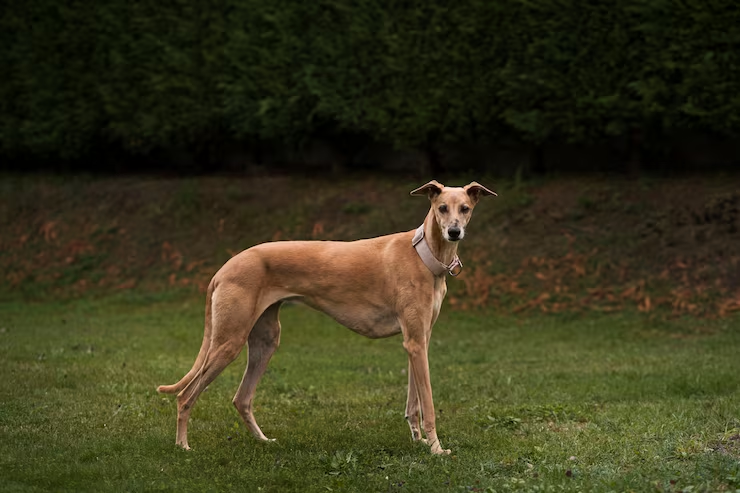
Greyhound
The world's fastest couch potato - elegant athlete with gentle soul
Origin & History
Greyhounds have one of the most ancient lineages of any dog breed, with depictions appearing in Egyptian tombs dating back to 2900 BC. They were highly valued by nobility throughout history, including by the ancient Greeks, Romans, and medieval European aristocracy. The breed name likely comes from Old English "grighund" where "hund" meant dog, though the origin of "grig" is uncertain. Greyhounds were originally bred for sight hunting (coursing) rather than scent tracking, using their incredible speed and vision to chase prey. In the 20th century, they became famous for organized racing, though many retired racers now become beloved family pets. The AKC recognized the breed in 1885, and they remain one of the most recognizable and elegant dog breeds worldwide.
Physical Characteristics
Greyhounds are tall, slender dogs built for speed with a distinctive aerodynamic shape. Males typically stand 71-76 cm tall and weigh 30-40 kg, while females stand 68-71 cm and weigh 27-34 kg. Their most distinctive features include a deep chest, narrow waist, long legs, and flexible spine that allows for maximum extension when running. They have a long, narrow head with small rose ears that fold back, and a long tail that curves slightly. Their short, smooth coat comes in a wide variety of colors including black, white, red, blue, fawn, brindle, or any combination of these. Despite their racing reputation, they have a surprisingly delicate bone structure and thin skin that requires protection from extreme weather and rough play.
Health & Lifespan
Greyhounds typically live 10-14 years, which is longer than many large breeds. They are generally healthy but prone to certain breed-specific issues including sensitivity to anesthesia due to low body fat, dental problems, and osteosarcoma (bone cancer). Their thin skin and coat make them susceptible to cuts, abrasions, and temperature extremes. Greyhounds have a higher red blood cell count than other breeds, which is normal for them but can be mistaken for a health concern. They may also develop bloat, though less commonly than deep-chested breeds like Bloodhounds. Regular dental care is particularly important, as their tight lip structure makes them prone to tartar buildup and gum disease. Overall, they are a relatively healthy breed with proper care.
Temperament
Greyhounds are known for their gentle, quiet, and affectionate nature. Despite their racing background, they are typically calm indoors and enjoy lounging, earning them the nickname "45-mph couch potatoes." They form strong bonds with their families and are generally good with children and other dogs, though their high prey drive means they may chase small animals. Greyhounds are sensitive dogs that respond poorly to harsh treatment and thrive with positive reinforcement. They are often described as cat-like in their independence and grooming habits. While not typically barkers, they may "roo" (a musical howling) on occasion. Their gentle disposition makes them excellent therapy dogs, and they adapt well to various living situations including apartments.
Care Requirements
Greyhounds have unique care needs due to their specialized physique. They require daily opportunities for running in safely enclosed areas but are otherwise moderate in their exercise needs. Their short coat is low-maintenance, needing only occasional brushing and rare baths. Due to their low body fat and thin coat, they need protection from extreme temperatures - coats in winter and limited sun exposure in summer. Regular dental care is crucial to prevent periodontal disease. Their fast metabolism means they may need more food than similarly sized breeds, but retired racers transitioning to pet life may need dietary adjustments. Nail trimming is important as their feet are designed for traction on soft surfaces. They thrive on routine and appreciate comfortable bedding for their bony frames.
Living Conditions
Greyhounds adapt well to various living situations including apartments, as long as their exercise needs are met. They are indoor dogs that want to be with their families and should never be left outdoors due to their temperature sensitivity. A securely fenced yard is ideal for their running needs, as their high prey drive means they should never be trusted off-leash in unsecured areas. They need soft, comfortable bedding to prevent pressure sores on their bony prominences. Early socialization helps them adjust to various environments and situations. Greyhounds generally do well with other dogs, particularly other sighthounds, but their strong chase instinct means careful introduction is needed with small pets. Their calm nature makes them excellent companions for various households.
Important Safety Note
Greyhounds have an extremely strong prey drive and should NEVER be trusted off-leash in unsecured areas - they can spot movement from great distances and will chase instinctively. Their thin skin is prone to cuts and tears, requiring careful handling and protection from rough surfaces. They are sensitive to temperature extremes and require coats in cold weather and limited sun exposure in heat. Greyhounds have unique medical considerations including sensitivity to anesthesia and different normal blood values that veterinarians should be aware of. When adopting a retired racer, be prepared for an adjustment period as they learn basic household skills like climbing stairs and understanding glass doors. Always use a martingale collar for walks, as their head is smaller than their neck and they can slip out of standard collars.
Ideal Owners
Greyhounds are well-suited for a variety of owners including families, singles, and seniors. They're particularly good for people who want a large but low-energy indoor companion. Ideal owners understand their unique combination of athletic ability and couch potato tendencies. They're perfect for those who can provide daily opportunities for safe running in enclosed spaces. Retired racers often make wonderful pets for first-time dog owners due to their gentle nature and basic training. Their sensitivity means they thrive with gentle, patient handlers. People living in apartments often find them surprisingly suitable as long as exercise needs are met. Their minimal grooming and generally quiet nature make them excellent for various lifestyles.
Training & Socialization
Greyhounds are intelligent but can be independent thinkers, responding best to positive reinforcement and patience. Early socialization is important to help them adjust to various environments, sounds, and situations. Retired racers may need to learn basic household skills like climbing stairs, walking on slippery floors, and understanding glass doors. Leash training is generally easy as they're accustomed to walking on lead, but their strong prey drive means vigilance is needed around small animals. Recall training is challenging due to their instinct to chase, so they should only be off-leash in securely fenced areas. Many excel in canine sports like lure coursing, agility, and therapy work. Their gentle nature makes them wonderful ambassadors for the breed when properly socialized.