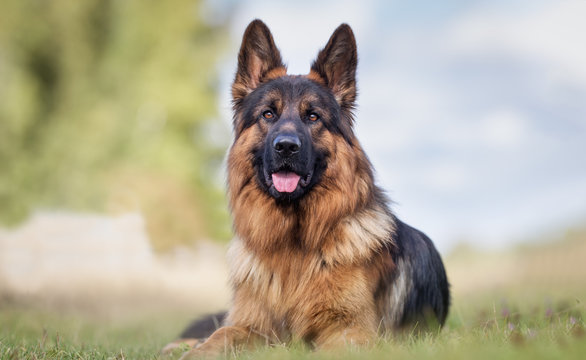
German Shepherd
The ultimate working dog - intelligent, loyal, and versatile
Origin & History
The German Shepherd was developed in late 19th century Germany by Captain Max von Stephanitz, who sought to create the perfect working dog for herding. He standardized the breed from various regional herding dogs, emphasizing intelligence, utility, and working ability above appearance. The breed's versatility became apparent during World War I, where they served as messenger dogs, rescue dogs, and guards. Their popularity spread worldwide, particularly after Rin Tin Tin's Hollywood fame. The AKC recognized the breed in 1908, and it has remained one of the most popular breeds globally ever since.
Physical Characteristics
German Shepherds are large, muscular dogs with a distinctive wolf-like appearance. Males typically weigh 30-40 kg and stand 60-65 cm tall, while females weigh 22-32 kg and stand 55-60 cm tall. They have a double coat that can be medium or long, with the classic black and tan being the most common color, though they also come in sable, all-black, and black and red. Their sloping back and powerful hindquarters give them the characteristic "flying trot" that allows them to cover ground efficiently. Their alert ears and intelligent expression contribute to their commanding presence.
Health & Lifespan
German Shepherds typically live 9-13 years. They are prone to several breed-specific health issues, most notably hip and elbow dysplasia, which affect a significant portion of the breed. Other common concerns include degenerative myelopathy (a progressive spinal cord disease), bloat, allergies, and certain heart conditions. Responsible breeders screen for these conditions through organizations like the Orthopedic Foundation for Animals. Their deep chest makes them particularly susceptible to bloat, so multiple small meals and avoiding vigorous exercise after eating are recommended.
Temperament
German Shepherds are known for their intelligence, loyalty, and strong work ethic. They are highly trainable and eager to please, making them excellent working dogs. They form deep bonds with their families and can be protective, making them excellent watchdogs. Proper socialization is crucial to ensure they're comfortable with various people and situations. They have high energy levels and need both physical and mental stimulation to prevent destructive behaviors. While generally good with children in their own family, their size and energy require supervision with young children.
Care Requirements
German Shepherds require substantial daily exercise - at least 1-2 hours of vigorous activity plus mental stimulation. They excel at running, hiking, and dog sports like agility, tracking, and obedience. Their double coat sheds year-round and heavily during seasonal changes, requiring brushing several times weekly. Regular dental care, nail trimming, and ear cleaning are essential. Due to their joint issues, maintaining a healthy weight is crucial. They thrive on having a job to do, whether it's formal work or family activities like hiking or playing fetch.
Living Conditions
German Shepherds do best in homes with active families who can provide plenty of exercise and mental stimulation. They need access to a securely fenced yard where they can run and play safely. While they can adapt to apartment living if their exercise needs are met, they're better suited to homes with more space. They are indoor dogs that want to be with their families and can develop separation anxiety if left alone too much. Their protective nature makes them excellent watchdogs, but proper socialization is essential to prevent over-protectiveness.
Important Health Note
German Shepherds are critically prone to hip and elbow dysplasia, with some studies showing up to 20% of the breed affected. Only purchase from breeders who provide OFA or PennHIP certification for both parents. Their deep chest also makes them highly susceptible to bloat (GDV), a life-threatening condition. Feed multiple small meals daily rather than one large meal, and avoid vigorous exercise before and after eating. Degenerative myelopathy is another serious concern - genetic testing is available and should be performed on breeding stock.
Ideal Owners
German Shepherds are best suited for active, experienced dog owners who understand working breeds. They thrive with owners who can provide consistent training, substantial exercise, and mental challenges. Families who enjoy outdoor activities and can include their dog in daily life are ideal. They're not recommended for sedentary lifestyles or first-time dog owners unprepared for their energy levels and training requirements. Their intelligence and sensitivity make them wonderful companions for owners who appreciate a deep bond and are committed to ongoing training.
Training & Socialization
German Shepherds are among the most trainable breeds, ranking third in intelligence according to Stanley Coren's research. They respond excellently to positive reinforcement methods and consistent training. Early and extensive socialization is crucial to ensure they're confident and well-adjusted adults. Their intelligence means they need mental challenges to prevent boredom. They excel in obedience, agility, protection sports, tracking, and many other dog sports. Training should be ongoing throughout their lives to keep them mentally stimulated and well-behaved.