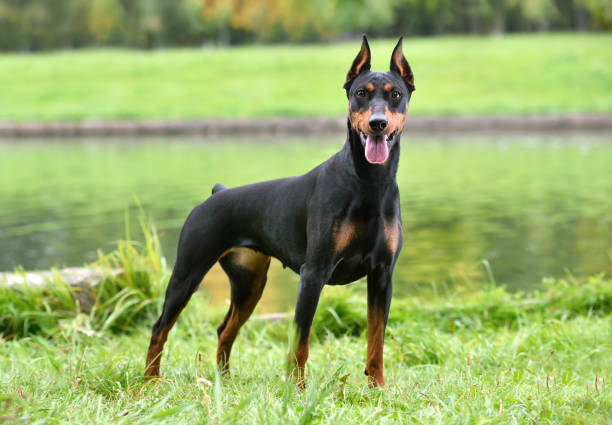
Dobermann
The fearless and loyal guardian with unmatched intelligence and elegance
Origin & History
The Dobermann was developed in the late 19th century by Karl Friedrich Louis Dobermann, a German tax collector who needed a protection dog to accompany him on his rounds. He aimed to create the ultimate guardian - intelligent, loyal, and fearless. The breed likely descended from a mix of several breeds including the Rottweiler, German Pinscher, Greyhound, and Weimaraner. Dobermanns served as messenger dogs, guard dogs, and rescue dogs during both World Wars. The breed was recognized by the AKC in 1908 and has since become one of the most respected working breeds worldwide.
Physical Characteristics
Dobermanns are medium-large dogs with a compact, muscular build and elegant lines. Males typically weigh 34-45 kg and stand 68-72 cm tall, while females weigh 27-41 kg and stand 63-68 cm tall. They have a sleek, short coat that comes in black, red, blue, or fawn with rust-colored markings. Their athletic physique combines power with grace, allowing for remarkable speed and endurance. The breed's alert expression and proud carriage contribute to their commanding presence. Their natural ears are medium-sized and fold down, though cropping was traditionally common.
Health & Lifespan
Dobermanns typically live 10-12 years. They are prone to several serious health conditions including dilated cardiomyopathy (DCM), a heart condition that affects nearly 60% of the breed. Other concerns include von Willebrand's disease (a bleeding disorder), hip dysplasia, hypothyroidism, and Wobbler syndrome. Responsible breeders screen for these conditions. Their short coat makes them sensitive to extreme cold, and they can be prone to weight gain if not properly exercised. Regular veterinary check-ups including cardiac screening are essential.
Temperament
Dobermanns are known for their intelligence, loyalty, and strong protective instincts. They are intensely devoted to their families and can be quite sensitive to their owner's emotions. Properly socialized Dobermanns are stable, confident dogs that are excellent with children in their own family. They are naturally wary of strangers, making them outstanding watchdogs. Their high intelligence means they require mental stimulation to prevent boredom. While they have a fearsome reputation, well-bred Dobermanns from responsible breeders are typically stable and predictable.
Care Requirements
Dobermanns require substantial daily exercise including long walks, runs, or vigorous play sessions. Their short coat is low-maintenance, needing only weekly brushing and occasional bathing. They are prone to dental issues, so regular teeth brushing is important. Due to their sensitivity to cold, they may need coats in winter weather. Mental stimulation is crucial - they excel at obedience, agility, and protection sports. Proper socialization and ongoing training throughout their lives are essential for this powerful breed.
Living Conditions
Dobermanns do best in homes where they can be indoor family companions with access to a securely fenced yard. They are not suited for outdoor living or being left alone for extended periods. Their size and energy level make them better suited for homes rather than apartments, though they can adapt if their exercise needs are met. They thrive when included in family activities and form strong bonds with all family members. Early socialization with other pets is important, and they generally do well with other dogs if properly introduced.
Important Health Note
Dobermanns are critically prone to dilated cardiomyopathy (DCM), with studies showing nearly 60% of the breed affected. Annual cardiac screening including echocardiograms and Holter monitoring is recommended starting at age 2-3. Symptoms include coughing, difficulty breathing, and collapse. They are also susceptible to von Willebrand's disease, so bleeding time tests should be performed before any surgery. Due to these serious health concerns, only purchase from breeders who perform all recommended health screenings on their breeding stock.
Ideal Owners
Dobermanns are best suited for experienced dog owners who understand powerful working breeds. They thrive with confident, consistent owners who can provide firm but fair leadership. Active individuals or families who enjoy outdoor activities and can commit to ongoing training are ideal. They're not recommended for first-time dog owners or those unable to provide sufficient exercise and mental stimulation. Their sensitivity makes them wonderful companions for owners who appreciate a deep bond with their dog and understand canine psychology.
Training & Socialization
Dobermanns are highly intelligent and eager to please, making them excellent training candidates when methods are positive and consistent. Early and extensive socialization is crucial to ensure they're comfortable in various situations. Their protective instincts need to be channeled appropriately through proper training. They excel in obedience, agility, tracking, and protection sports. Training should continue throughout their lives to keep them mentally stimulated. Harsh training methods can damage their sensitive nature and undermine the trust bond with their owner.