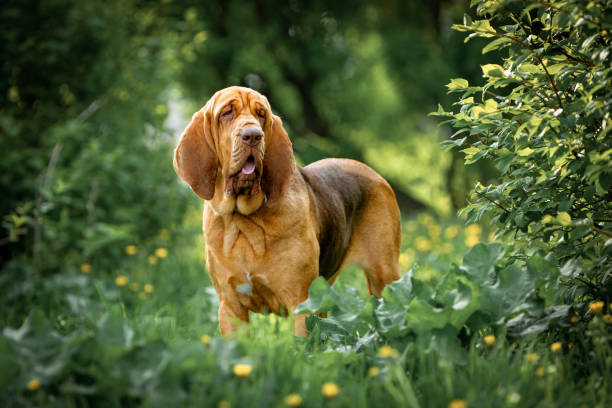
Bloodhound
The nose that knows - legendary tracker with unmatched scenting ability
Origin & History
Bloodhounds have one of the oldest histories of any dog breed, dating back to medieval France and Belgium where they were developed by monks at the Saint-Hubert Monastery in Belgium. The breed was perfected by English breeders who imported them from Normandy after the Norman Conquest in 1066. The name "Bloodhound" doesn't refer to tracking blood but rather to their "blooded" or purebred status. They were originally used for tracking deer and wild boar, and later for tracking people. Their tracking ability is so reliable that evidence discovered by Bloodhounds is admissible in court in many jurisdictions. The AKC recognized the breed in 1885, and they continue to be celebrated for their unparalleled scenting ability and gentle nature.
Physical Characteristics
Bloodhounds are large, powerful dogs with distinctive features designed for tracking. Males typically weigh 41-50 kg and stand 64-72 cm tall, while females weigh 36-45 kg and stand 58-66 cm tall. Their most distinctive features include massive heads with deep wrinkles and long, droopy ears that help trap scent particles. They have loose skin that forms dewlaps on their neck and chest. Their coat is short and weather-resistant, coming in black and tan, liver and tan, or red. Their soulful, deep-set eyes convey their gentle nature, and their long tail is carried high with a slight curve. Built for endurance rather than speed, they move with elastic, swinging gait that covers ground efficiently.
Health & Lifespan
Bloodhounds typically live 7-10 years, which is average for large breeds. They are prone to several health issues including hip and elbow dysplasia, bloat (gastric dilatation-volvulus), and various eye problems such as ectropion and entropion. Their long, heavy ears are susceptible to infections and require regular cleaning. Other concerns include skin infections in their wrinkles and certain heart conditions. Their deep chest makes them particularly vulnerable to bloat. Responsible breeders screen for these conditions through organizations like the Orthopedic Foundation for Animals. Regular veterinary care, proper nutrition, and maintaining a healthy weight are essential. Their tracking nature means they generally maintain good physical condition when properly exercised.
Temperament
Bloodhounds are known for their gentle, patient, and affectionate nature. They are typically good-natured with people and other dogs, making them excellent family companions despite their large size. Their tracking instinct is incredibly strong - when they catch an interesting scent, they become single-minded and determined, often ignoring commands as they follow the trail. Bloodhounds are generally calm indoors but need regular opportunities to exercise their remarkable noses. They are sensitive dogs that respond best to positive reinforcement training. While not typically aggressive, their deep, loud bay can be intimidating. They form strong bonds with their families and are known for their loyalty and gentle disposition with children.
Care Requirements
Bloodhounds require regular exercise to stay healthy, but their needs are moderate compared to their size. They particularly enjoy opportunities to use their nose through tracking games or scent work. Their short coat is low-maintenance, needing only weekly brushing. However, their facial wrinkles require daily cleaning to prevent infections, and their long ears need weekly cleaning to prevent ear infections. Due to their susceptibility to bloat, they should be fed 2-3 small meals daily rather than one large meal. Regular dental care is important, and their nails should be trimmed regularly. They thrive when given opportunities to use their tracking abilities, whether through formal training or family games that engage their incredible sense of smell.
Living Conditions
Bloodhounds do best in homes with access to a securely fenced yard where they can explore safely. They are indoor dogs that want to be with their families and should not be left outdoors or alone for extended periods. Their calm nature makes them suitable for various living situations if their space needs are met. They need comfortable, large bedding and space to stretch out. Early socialization is crucial to ensure they're comfortable in various situations. Their tracking instinct means they should only be off-leash in securely fenced areas, as they will follow interesting scents for miles if given the opportunity. They generally do well with other pets and are known for their gentle nature with children.
Important Health Note
Bloodhounds are extremely prone to bloat (GDV), a life-threatening condition where the stomach twists. Preventative measures include feeding multiple small meals daily, using elevated food bowls, avoiding vigorous exercise before and after eating, and never allowing gulping of water. Their facial wrinkles require daily cleaning to prevent painful skin infections. Their long, heavy ears are susceptible to infections and need weekly cleaning and inspection. Due to their strong tracking instinct, they should never be trusted off-leash in unsecured areas - they will follow scents for miles and ignore recall commands. Regular veterinary monitoring for hip and eye issues is recommended throughout their lives.
Ideal Owners
Bloodhounds are best suited for families or individuals who have space for a large breed and understand their unique tracking instincts. They're wonderful for families with children due to their gentle, patient nature. Owners should be prepared for their significant drooling and occasional stubbornness when they catch an interesting scent. They're ideal for people who appreciate their incredible working ability and can provide opportunities for scent work. Their calm indoor demeanor makes them suitable for various lifestyles, but their size requires commitment to training and secure containment. They thrive with owners who appreciate their gentle nature and remarkable abilities.
Training & Socialization
Bloodhounds are intelligent but can be single-minded when following scents, making training require patience and creativity. They respond best to positive reinforcement methods and consistent, gentle training. Early socialization is crucial to ensure they're comfortable with various people, animals, and situations. Their incredible tracking ability can be channeled through formal tracking training or search and rescue work. Leash training is essential given their strength and tendency to pull when following scents. Recall training is particularly challenging due to their powerful tracking instinct. They excel in tracking, search and rescue, and nose work when properly motivated. Consistency and patience are key, as they can be stubborn when their nose takes over.